
Inclusive Programs Designed To Build Confidence
We create calm, sensory-conscious, and highly structured environments to help neurodiverse students build independence and real-world life skills.
100% Nut-Free & Sensory Safe Environments.
"Our goal isn't to pressure students to eat. Our goal is to create positive experiences that help students feel confident, capable, and curious."
The COOKSMART Philosophy
Fostering Independence
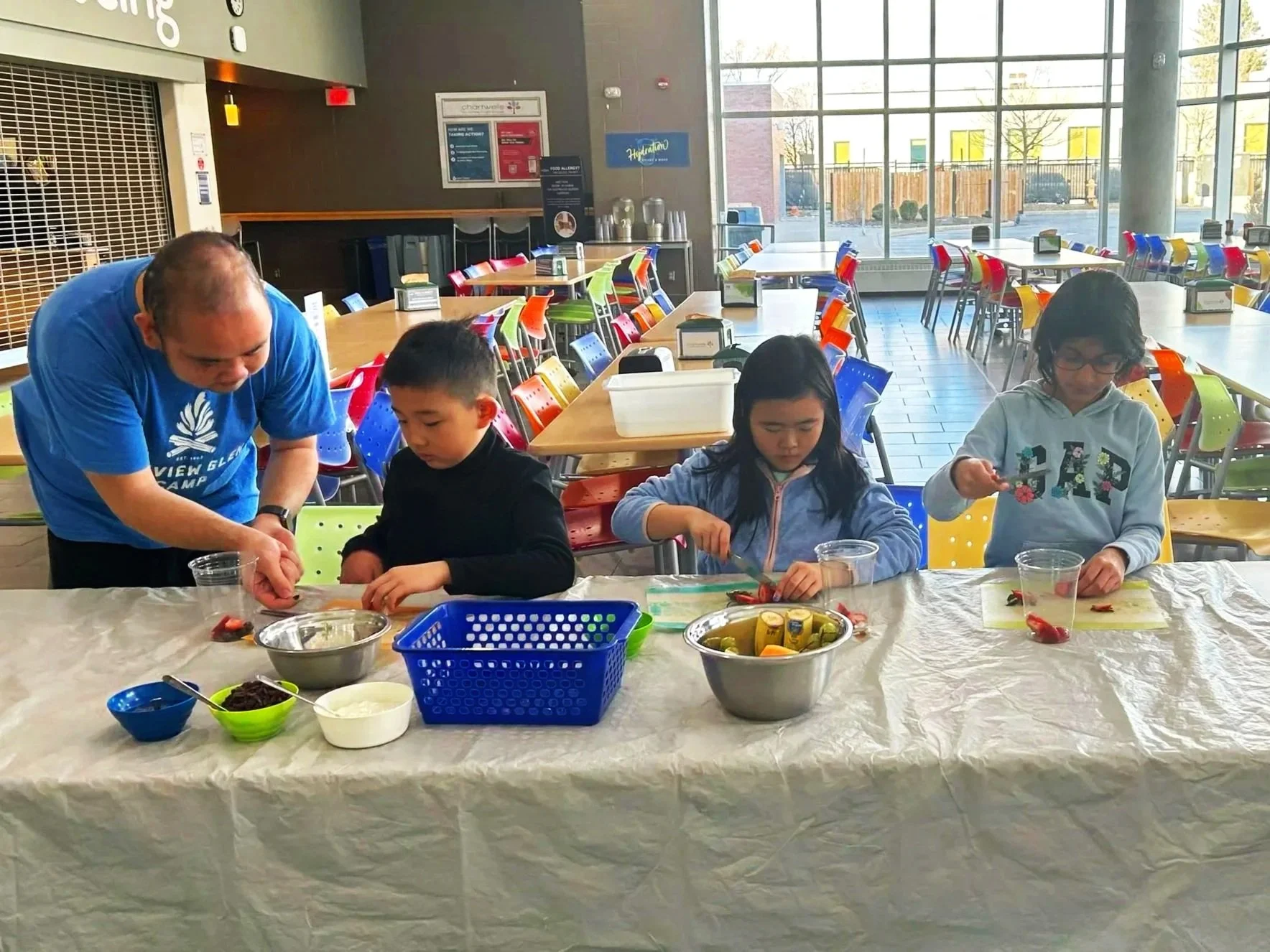
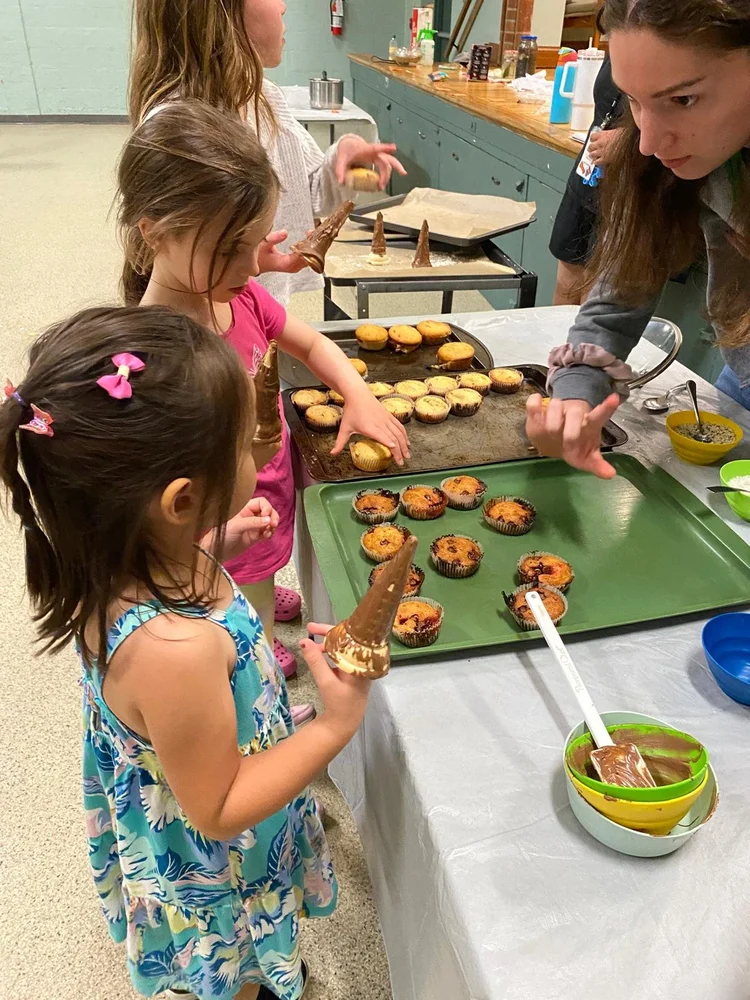
Hands-on cooking provides a natural, low-pressure way for students to explore sensory experiences, practice teamwork, and build familiarity with new routines.
Instead of traditional instruction, our experiential approach allows students to engage safely through tactile learning, paced exposure, and visual structures. They enjoy the tangible results of their hard work in a supportive, non-clinical setting.
How We Support Neurodiverse Learners
We understand that every student engages differently. Our facilitators prioritize comfort, safety, and choice over strict completion.
Visual Schedules
We utilize visual recipe cards and clear sequencing to reduce anxiety and make transitions predictable.
Low-Pressure Sensory
Students interact with textures and smells at their own pace, without any pressure to consume the food.
Calm Environments
Programs adapt beautifully to smaller groups, reduced noise levels, and flexible participation styles.
Vetted Facilitators
Our staff hold Vulnerable Sector Checks, First Aid, and prioritize patience and positive reinforcement.
Real-World Skills Build Real Confidence
Hands-on experiential learning allows students to safely practice essential life skills in a structured setting.
Cooking naturally encourages developmental benefits that align closely with special education goals, occupational therapy priorities, and independence building.
Executive Functioning
Practicing working memory and organization by gathering ingredients and following sequential instructions.
Activities of Daily Living (ADLs)
Building tangible independence through pouring, mixing, spreading, and safely using kitchen tools.
Communication & Teamwork
Practicing turn-taking, asking for ingredients, and collaborating in a shared, low-stakes environment.
Food Familiarity
Decreasing food anxiety by exploring colors, textures, and origins before any expectation of tasting.
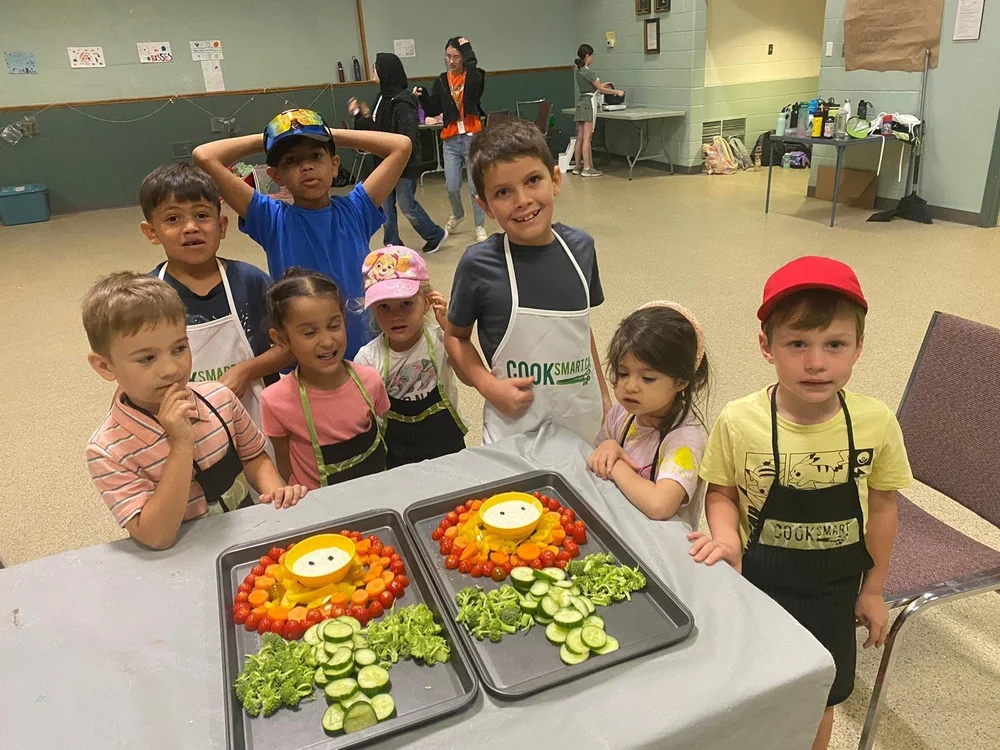
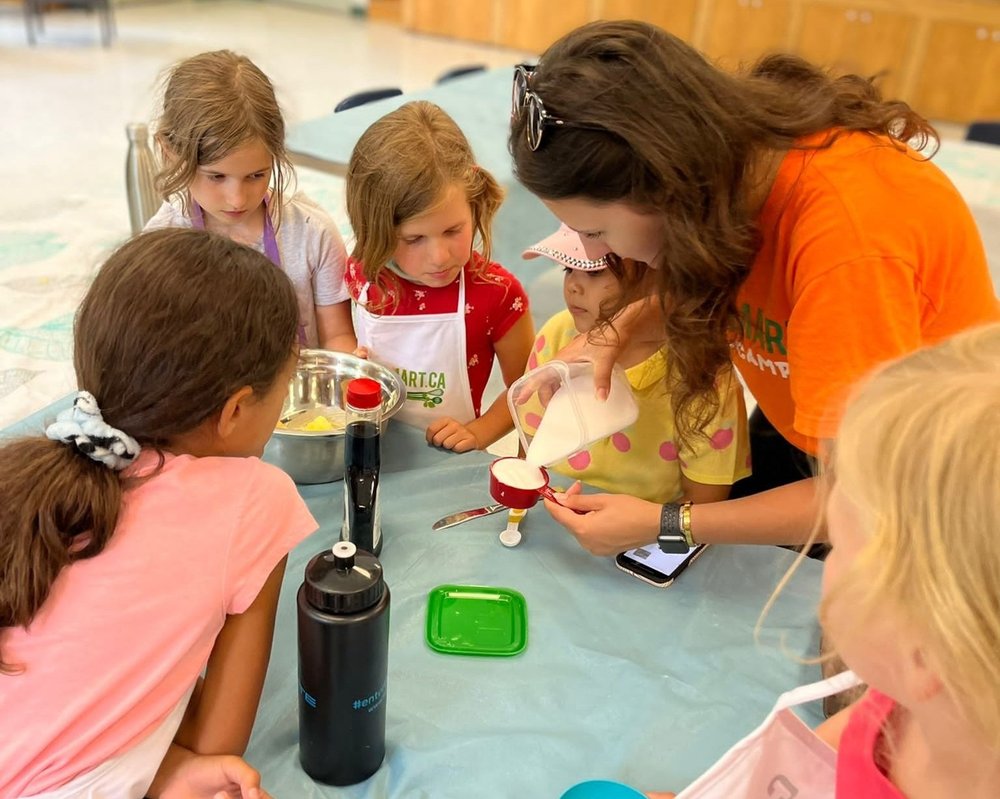
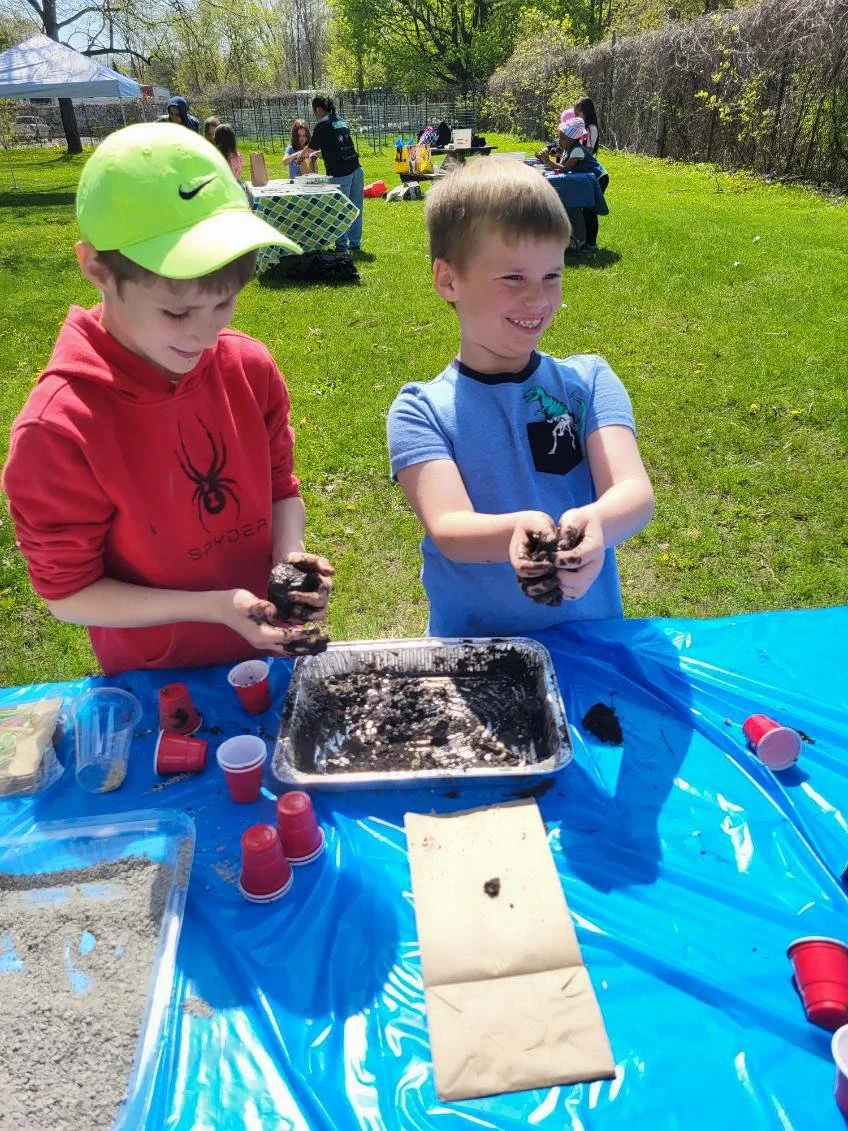
A safe space to learn and grow
Take a look inside our structured, hands-on learning environments.
Evidence-Based Feeding Principles
Encouraging children to develop autonomy around food while drastically reducing mealtime pressure.
Focusing on the Experience
COOKSMART's approach is deeply influenced by the Satter Division of Responsibility® framework developed by Ellyn Satter.
Rather than focusing on whether students eat specific foods, we provide the environment, the safe tools, and the ingredients. The student decides whether to observe, touch, mix, or eventually taste.
- Participate safely and explore
- Build confidence without expectation
- Experience food in a positive way
Flexible Formats For Your School
We adapt our workshops to fit your exact classroom structure and student needs.
What Families Are Saying
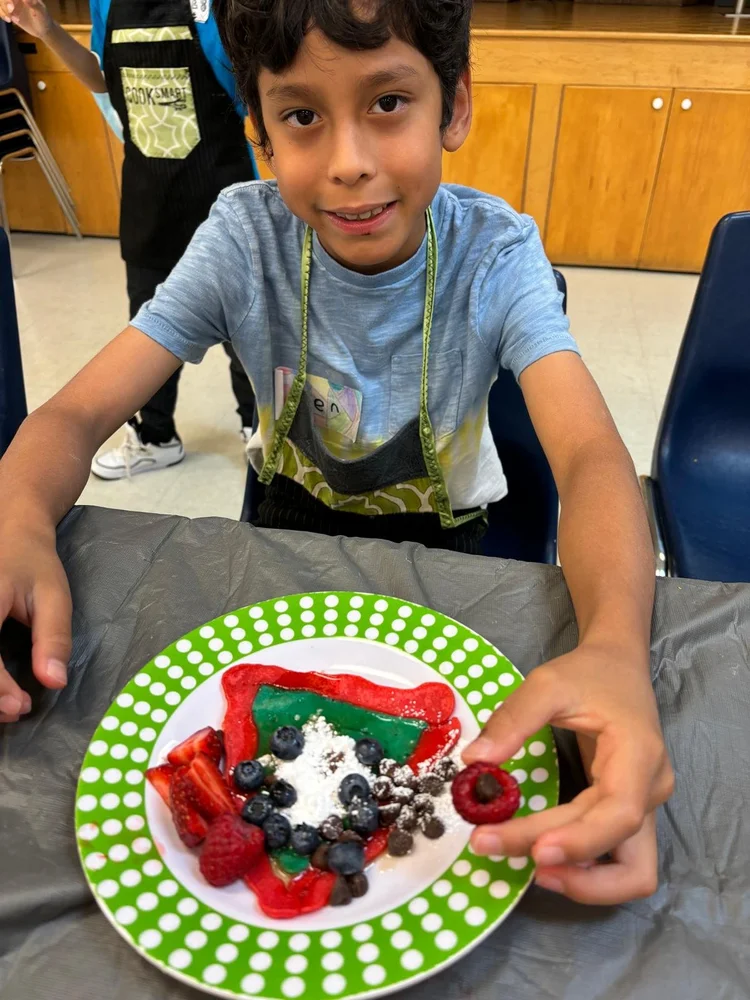
"Everything Evan brings home is delicious! I noticed that his knife skills have improved and he has much more confidence in the kitchen. He lives independently, and cooking together on Sundays has been wonderful. Thank you!"
Shirley (Evan's Mom)
Need help with funding?
Many Ontario school boards provide dedicated special education budgets for experiential learning and life skills programming.
Tip: Consult your board's Special Education Lead to discuss available allocations!
Proudly working with inclusive organizations across Ontario


Frequently Asked Questions
Are COOKSMART programs autism-friendly?
Yes. COOKSMART programs are explicitly designed to support inclusive, flexible, and sensory-conscious participation experiences. We emphasize choice, utilize visual recipes, and ensure a low-pressure environment.
Can programs be adapted for different support needs?
Absolutely. Programs are frequently adjusted based on specific student needs, classroom structures, and direct guidance from your educators or support staff.
Do students need prior cooking experience?
No prior cooking experience is required. Activities are broken down into simple, approachable steps using visual cues, making them highly accessible to beginners.
Can schools request smaller-group formats?
Yes. We highly recommend and accommodate smaller group structures and modified ratios for special education settings to ensure optimal support, focus, and safety.
Are programs sensory-friendly?
Yes. We focus on low-pressure sensory exposure. Students are encouraged to interact with textures and smells at their own comfort level, without any pressure to consume or touch items they find overwhelming.